
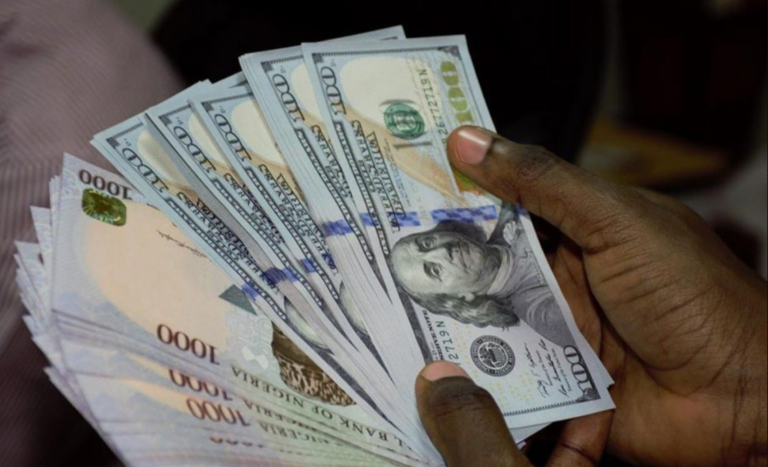
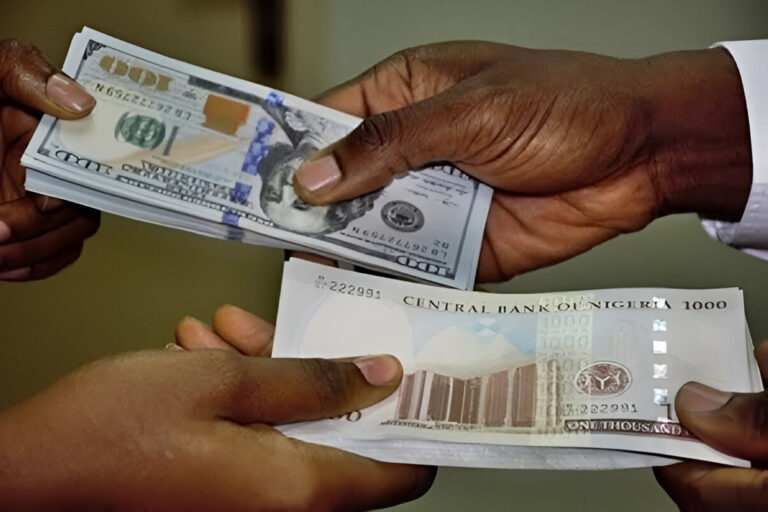
An exchange rate is simply the price of one currency in terms of another. If the naira trades at ₦1,400 to the US dollar, one dollar buys 1,400 naira.
Most major currencies today use floating rates, where the market sets the value through continuous buying and selling. Some countries maintain fixed or managed rates, but even those face pressure that can force adjustments.
People search for this topic because currency swings affect everything from the cost of imported goods and foreign travel to business profits and investment returns.
A weakening local currency makes imports more expensive, feeding inflation, while a stronger one can hurt exporters. Understanding the drivers helps you anticipate changes rather than react to them.
Supply and Demand: The Core Mechanism
At its heart, every exchange rate movement reflects imbalance between currency supply and demand. When more people want dollars (to pay for imports, invest abroad, or hold as a safe asset), its value rises against the naira. More naira chasing fewer dollars pushes the naira weaker.
This happens 24 hours a day across global forex markets. Banks, corporations, governments, investors, and speculators all participate. Daily turnover exceeds $7 trillion, making it the largest financial market. Even small shifts in sentiment can move rates quickly because participants react to news in real time.
Interest Rates and Central Bank Policies
Central banks influence rates through policy rates. Higher rates in one country attract foreign capital seeking better returns on bonds or deposits, increasing demand for that currency.
For example, if the US Federal Reserve raises rates while Nigeria’s Central Bank (CBN) holds steady, investors may sell naira assets and buy dollar ones, weakening the naira. The reverse supports the local currency. Markets often price in expected changes before announcements, so surprises matter most.
In Nigeria, the CBN has used high monetary policy rates (around 26-27% recently) to attract portfolio inflows and support the naira despite oil price softness.
Advantages: Helps control inflation and stabilizes the currency. Disadvantages: Can slow economic growth by making borrowing expensive for businesses and consumers.
Inflation and Purchasing Power
High inflation erodes a currency’s purchasing power. If prices rise faster in Nigeria than in the US, the naira buys less domestically and becomes less attractive internationally. Exporters find Nigerian goods more expensive abroad, reducing demand for naira.
Low and stable inflation, like in many developed economies targeting around 2%, supports currency strength. Nigeria has battled higher inflation, often linked to naira depreciation and imported food/fuel costs, creating a feedback loop.
Simple scenario: A Nigerian importer needs $10,000 for goods. At ₦1,000/$ it costs ₦10 million. If the naira weakens to ₦1,400/$, it costs ₦14 million—directly hitting business margins and consumer prices.
Trade Balances and Current Account
Countries exporting more than they import (trade surplus) see demand for their currency rise as foreign buyers pay in local money. Persistent deficits do the opposite.
Nigeria relies heavily on oil exports for foreign exchange. When production or prices drop, dollar inflows shrink while demand for imports (refined fuel, machinery, food) stays high. This structural imbalance pressures the naira. Non-oil exports and remittances help but haven’t fully offset it yet.
Historical example: Oil price crashes in past decades led to sharp naira depreciations as reserves dwindled.
Economic Growth and Investor Confidence
Strong GDP growth, low unemployment, and rising productivity signal a healthy economy, drawing foreign direct investment (FDI). Investors buy the local currency to invest in factories, stocks, or infrastructure.
Weak growth or high public debt raises concerns about repayment ability, prompting capital outflows. Nigeria’s reforms under the Tinubu administration, including FX unification, aimed to improve transparency and attract investment, though initial adjustments were painful.
Political Stability and Geopolitical Events
Stable governance and predictable policies build confidence. Elections, policy U-turns, or conflicts create uncertainty, leading investors to safer currencies like the USD or CHF.
Global events matter too: wars, sanctions, or trade tensions shift capital flows. For Nigeria, domestic security issues in oil-producing regions can disrupt production and FX supply.
Speculation and Market Sentiment
Traders and hedge funds bet on future movements based on data, news, and technical patterns. Large speculative positions can amplify trends, becoming self-fulfilling in the short term.
In Nigeria’s parallel market, seasonal demand (e.g., summer travel, school fees abroad) often pushes rates higher temporarily.
Government Intervention and Reserves
Central banks intervene by buying or selling reserves to smooth volatility. Nigeria’s CBN uses reserves (recently around $51 billion) for interventions, though floating the currency has shifted more responsibility to the market.
Fixed regimes require constant defense, which can drain reserves if fundamentals don’t support the peg.
Nigeria-Specific Factors: A Case Study
Nigeria’s naira history shows repeated depreciations tied to oil dependence. From near parity in the 1970s oil boom to over ₦1,400/$ in recent years, key triggers include declining oil revenues (from $93B+ in 2011 to lower levels), high import bills for education/medical tourism abroad (tens of billions over a decade), and multiple exchange rate regimes that encouraged arbitrage.
Reforms like unification in 2023 led to sharp initial adjustment but narrowed official-parallel gaps and boosted some inflows. External reserves, fiscal discipline, and non-oil growth remain critical.
Comparison Table: Major vs. Emerging Market Influences
| Factor | Major Currencies (e.g., USD, EUR) | Nigeria (NGN) Example |
|---|---|---|
| Interest Rates | Global yield differentials | High MPR attracts inflows |
| Trade Balance | Diversified exports | Oil-dominant, vulnerable to shocks |
| Reserves | Large buffers | Critical for interventions |
| Speculation | High liquidity | Parallel market amplifies swings |
How These Factors Interact in Real Markets
No single driver works in isolation. High inflation might prompt rate hikes, but if growth slows, the net effect varies. In 2022-2023 global rate hikes, the USD strengthened broadly. For Nigeria, combining oil shocks with domestic reforms created unique volatility.
Markets price expectations. A well-telegraphed policy change moves rates less than a surprise.
Practical Tips for Individuals and Businesses
- Hedging: Importers can use forwards or options to lock rates. Exporters should time conversions.
- Diversification: Hold some foreign currency assets or invest in export-oriented sectors.
- Monitor indicators: Track CBN reserves, oil prices, inflation reports, and US Fed decisions.
- Avoid panic: Seasonal or news-driven spikes often reverse; plan with buffers.
- For remittances: Compare official vs. parallel rates and use licensed channels.
Warnings: Borrowing in foreign currency without revenue in that currency risks big losses on depreciation. Always verify current rates from banks or CBN.
Common Mistakes: Chasing “black market” rates without understanding risks; ignoring forward contracts; assuming government will always defend a rate.
Expert Tips: Build relationships with forex desks at banks. Use economic calendars for data releases. For businesses, scenario planning (e.g., what if naira moves 10-20%?) beats guessing.
Glossary of Important Terms
- Floating Rate: Market-determined.
- Depreciation: Currency loses value.
- Appreciation: Currency gains value.
- Forex Reserves: Foreign currency held by central bank.
- Carry Trade: Borrowing low-rate currency to invest in high-rate one.
Related Concepts: Balance of payments, purchasing power parity (PPP), interest rate parity.
FAQ
What is the main reason exchange rates change daily? Supply and demand in the forex market, influenced by news, data, and sentiment.
How do interest rates affect the naira? Higher Nigerian rates can attract capital and support the naira, but must balance against inflation and growth.
Why does the naira often weaken against the dollar? Structural dollar demand from imports exceeds supply from oil and other exports, compounded by past policy distortions.
Can governments stop exchange rate changes? They can influence through policy and intervention, but sustained misalignment with fundamentals usually fails.
How does inflation impact importers in Nigeria? It raises the local cost of foreign goods as the naira buys fewer dollars.
Does political stability matter for currency value? Yes—uncertainty drives capital flight; stability encourages inflows.
What role do remittances play? They provide steady dollar supply, helping buffer other weaknesses.
How can businesses protect against volatility? Hedging tools, pricing adjustments, and diversifying markets/suppliers.
Are fixed exchange rates better? They offer predictability but require strong reserves and can lead to bigger corrections when abandoned.
When should I seek professional advice? For large transactions, investments, or complex hedging—consult licensed financial advisors or banks.
Key Takeaways
- Exchange rates reflect relative economic strength and market forces.
- Fundamentals like rates, inflation, and trade set the trend; news drives short-term moves.
- Nigeria’s experience highlights oil dependence and the benefits of market-oriented reforms.
- Preparation through monitoring, hedging, and diversification beats speculation.
Actionable Advice: Start tracking key data sources like CBN publications and international oil benchmarks. Review your personal or business exposure to forex risk quarterly. Build a small emergency foreign currency buffer if you rely on imports or travel. For significant decisions, run scenarios with different rate assumptions.
Next Steps: Visit reliable sites for live rates, read CBN policy statements, and consider basic forex education from regulated providers. If managing large exposures or corporate finances, engage a qualified treasurer or advisor—markets reward preparation, not prediction.
What to Verify Before You Act
Financial products, services, fees, requirements, and business procedures can change. Before applying, paying, investing, or registering, verify the important details with the relevant official provider or authority. Do not rely on an old price, eligibility rule, or promotional claim.
Practical Checklist
- Confirm the current requirements.
- Understand all visible and potential costs.
- Check who is responsible for the service or transaction.
- Keep records of payments, applications, and reference numbers.
- Use official customer-support channels when you need help.
Common Mistakes to Avoid
Do not rush because of pressure, guaranteed-profit claims, or unclear promises. Never share passwords, PINs, one-time passwords, or other sensitive security information. If a transaction or application fails, confirm its status before trying again.
What This Means for You
The most useful decision is the one based on your actual needs, budget, eligibility, and risk tolerance. Use this guide to understand the issue, then verify important current details before taking action.
Related MoneyX Guides
Continue with these related guides for practical information that can help you make a better-informed decision:

Comments 1
[…] READ ALSOWhat Causes Exchange Rates to Change: The Main Factors Explained […]
Leave a Comment
Your email will not be published.