
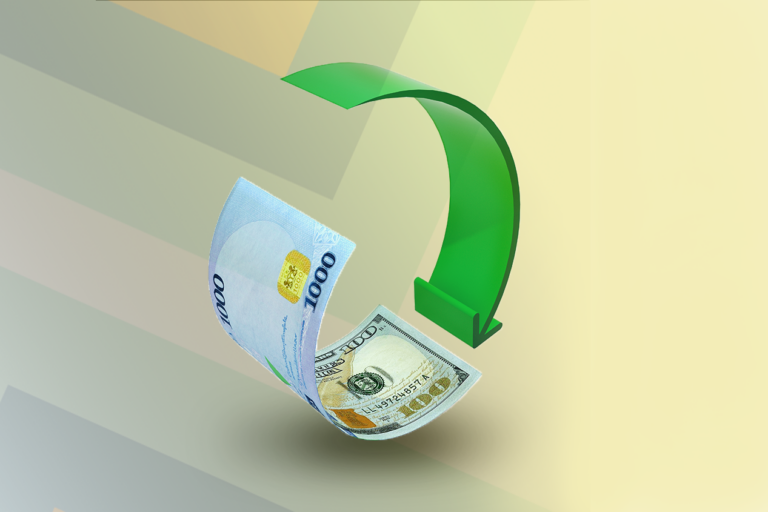
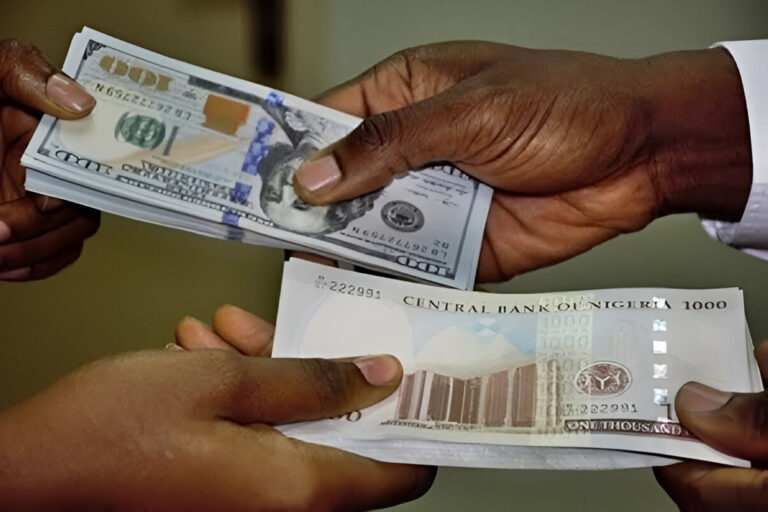
Currency conversion is the process of exchanging one country’s money for another using the current exchange rate.
Every time someone buys a product from another country, travels abroad, sends money internationally, trades in the foreign exchange market, or shops from overseas websites, currency conversion takes place.
People often search for how currency conversion works because they want to know why exchange rates change, why different banks offer different rates, or why the amount they receive differs from what they expected.
Understanding the process helps individuals and businesses make better financial decisions and avoid paying unnecessary costs.
The basic idea is straightforward. One currency has a value relative to another. That value determines how much of one currency you receive when exchanging another.
Quick Summary
| Topic | Explanation |
|---|---|
| What is currency conversion? | Exchanging one currency for another. |
| Who uses it? | Travelers, businesses, investors, students, freelancers, importers, exporters, and online shoppers. |
| What determines the exchange rate? | Supply and demand, inflation, interest rates, economic conditions, and central bank policies. |
| Where can you convert currency? | Banks, licensed exchange providers, fintech platforms, airports, and online money transfer services. |
| Why do rates differ? | Different providers apply different margins and service fees. |
What Is Currency Conversion?
Currency conversion allows money from one country to be used in another country’s economy.
For example, someone in Nigeria who wants to pay tuition in the United Kingdom cannot usually pay in Nigerian naira. The university expects payment in British pounds, so the naira must first be converted into pounds.
The same process happens when:
- Buying goods from another country
- Booking international flights
- Receiving freelance payments
- Paying for streaming subscriptions
- Importing products
- Investing overseas
Without currency conversion, international trade and travel would be much more difficult.
How Exchange Rates Make Currency Conversion Possible
An exchange rate tells you how much one currency is worth compared to another.
Suppose the exchange rate between two currencies is:
1 Currency A = 2 Currency B
If you exchange 100 units of Currency A, you receive:
100 × 2 = 200 Currency B
The exchange rate acts like a conversion factor between two different monetary systems.
Think of it like converting kilometres into miles or kilograms into pounds. The principle is similar, but the conversion value changes continuously because currencies trade in global financial markets.
Why Exchange Rates Change Every Day
Many people expect exchange rates to remain stable. In reality, they can change every few seconds in the global foreign exchange market.
Several economic forces influence these movements.
Supply and Demand
Currencies work like other assets.
If many investors want a country’s currency, demand rises.
Higher demand generally pushes its value upward.
If fewer people want it, the value usually falls.
Inflation
Countries with lower inflation often maintain stronger currencies over time.
When inflation becomes high, purchasing power declines, which may reduce international demand for that currency.
Interest Rates
Central banks influence exchange rates through monetary policy.
Higher interest rates often attract foreign investment because investors can earn better returns.
Greater investment increases demand for the currency.
Economic Growth
Countries with healthy economic growth generally inspire greater investor confidence.
Strong employment, business expansion, and rising productivity can support a stronger currency.
Political Stability
Political uncertainty creates risk.
Investors often move their money away from countries experiencing political instability, conflicts, or uncertain economic policies.
Lower investment demand can weaken a currency.
International Trade
Countries that export more goods than they import may experience stronger demand for their currency because overseas buyers need it to purchase exports.
A Simple Currency Conversion Example
Imagine a business in Lagos imports electronics from China.
The supplier invoices the business in Chinese yuan.
The Nigerian importer only has naira.
The importer follows these steps:
- Contacts a bank or foreign exchange provider.
- Requests yuan.
- The provider converts naira into yuan using the current exchange rate.
- The supplier receives payment in yuan.
Although the process appears simple, the actual amount paid depends on the exchange rate available at that moment.
Why Banks and Exchange Providers Offer Different Rates
Many people assume every bank uses exactly the same exchange rate.
That is not the case.
Most providers begin with the market exchange rate but add their own margin.
This margin covers:
- Operating expenses
- Currency risk
- Business profit
- Liquidity costs
As a result, exchanging money at two different providers may produce different outcomes even within minutes.
The Difference Between the Market Rate and Customer Rate
The market rate, sometimes called the interbank rate, is the price major financial institutions use when trading currencies among themselves.
Individual customers usually receive a slightly different rate.
For example:
| Rate Type | Description |
|---|---|
| Market rate | Used between financial institutions. |
| Customer rate | Offered to individuals and businesses after adding a margin. |
The difference may appear small, but it becomes significant for large transactions.
Understanding Buy and Sell Rates
Financial institutions normally display two prices.
Buy Rate
The institution buys foreign currency from customers.
Sell Rate
The institution sells foreign currency to customers.
The sell rate is usually higher than the buy rate.
The difference between them is known as the spread.
This spread helps financial institutions cover operational costs and market risks.
Fixed Exchange Rates vs Floating Exchange Rates
Countries use different exchange rate systems.
Floating Exchange Rate
The market determines the value through supply and demand.
Many major economies use floating exchange rates.
Advantages include:
- Reflects market conditions
- Adjusts automatically
- Supports independent monetary policy
Disadvantages include:
- Greater volatility
- Harder business planning
- Unpredictable import costs
Fixed Exchange Rate
The government or central bank keeps the currency close to a chosen value.
Advantages include:
- More stable pricing
- Greater predictability
- Easier international trade planning
Disadvantages include:
- Requires significant foreign reserves
- Limits monetary policy flexibility
- Can become difficult to maintain during economic shocks
Why Currency Conversion Costs More Than Expected
People sometimes compare an online exchange rate with the amount received and believe something went wrong.
Several charges may apply.
These include:
- Exchange rate margin
- Service fees
- Transfer charges
- International payment fees
- Card issuer fees
- ATM withdrawal charges
- Currency conversion commissions
Small charges can accumulate, especially for frequent international transactions.
Dynamic Currency Conversion Explained
Dynamic Currency Conversion (DCC) often appears when using a payment card abroad.
Instead of paying in the local currency, the payment terminal offers to charge your home currency immediately.
Although this sounds convenient, it frequently uses a less favorable exchange rate than the one your card provider would apply.
Many financial experts recommend paying in the local currency whenever possible, unless you have confirmed the offered rate is competitive.
How Businesses Use Currency Conversion
Businesses rely on currency conversion every day.
Examples include:
- Importing machinery
- Exporting agricultural products
- Paying overseas suppliers
- Receiving foreign customer payments
- International payroll
- Global investments
Large businesses often manage exchange rate risk using financial strategies designed to reduce unexpected losses caused by currency fluctuations.
How Currency Conversion Affects Nigerians
Currency conversion plays an important role in Nigeria’s economy.
Many everyday activities involve foreign currencies.
Examples include:
- International school fees
- Online software subscriptions
- Overseas travel
- Importing products
- Foreign investments
- Receiving international freelance income
- Paying for cloud services
Businesses that depend heavily on imported goods often experience changing costs when exchange rates move.
Consumers may also notice price increases because imported products become more expensive.
Common Mistakes People Make
Many people lose money because they overlook simple details.
Common mistakes include:
- Comparing only exchange rates without checking fees.
- Exchanging money at airports without comparing alternatives.
- Ignoring transfer charges.
- Accepting Dynamic Currency Conversion automatically.
- Waiting until the last minute during emergencies.
- Assuming every provider offers identical rates.
- Failing to monitor exchange rate trends for planned transactions.
Awareness of these issues can lead to meaningful savings over time.
Tips for Getting Better Currency Conversion Rates
Although no one can guarantee the best exchange rate, several practices can improve the outcome.
Compare Multiple Providers
Banks, licensed exchange providers, and international payment services often quote different rates.
Even a small difference can matter for large amounts.
Understand All Charges
A provider advertising “no commission” may still include costs within the exchange rate.
Always consider the total amount you will receive.
Monitor Exchange Rate Movements
If your transaction is not urgent, watching exchange rate trends may help you exchange at a more favorable time.
Avoid Airport Exchanges When Possible
Airport exchange counters often charge wider spreads because of convenience and operating costs.
Pay in the Local Currency Abroad
This often allows your bank or card network to apply its own exchange rate instead of a merchant’s Dynamic Currency Conversion rate.
Currency Conversion and International Money Transfers
Sending money internationally involves more than simply exchanging currencies.
The provider usually performs three steps:
- Receives the sender’s currency.
- Converts it into the destination currency.
- Delivers the converted funds to the recipient.
The total received depends on:
- Exchange rate
- Transfer fee
- Processing charges
- Delivery method
Understanding all these factors helps people compare services more accurately.
Currency Conversion in Online Shopping
International online shopping has made currency conversion part of everyday life.
For example, someone in Nigeria buying products from a United States website may see prices displayed in US dollars.
During checkout:
- The payment processor converts the purchase amount.
- The customer’s bank may apply its own exchange rate.
- Additional foreign transaction fees may apply.
Checking the final payment breakdown before confirming the purchase helps avoid surprises.
Glossary of Important Terms
| Term | Meaning |
|---|---|
| Exchange Rate | The value of one currency compared with another. |
| Currency Pair | Two currencies quoted against each other, such as USD/NGN or EUR/USD. |
| Interbank Rate | The exchange rate used between major financial institutions. |
| Spread | The difference between buying and selling rates. |
| Foreign Exchange (Forex) | The global market where currencies are traded. |
| Volatility | The degree to which exchange rates fluctuate over time. |
| Central Bank | A country’s monetary authority responsible for monetary policy and financial stability. |
| Dynamic Currency Conversion | Paying in your home currency abroad instead of the local currency. |
Key Takeaways
- Currency conversion enables international trade, travel, investment, and cross-border payments.
- Exchange rates change because of supply and demand, economic conditions, inflation, interest rates, and market expectations.
- The exchange rate displayed online is not always the rate customers receive.
- Banks and payment providers may apply margins, spreads, and service fees.
- Comparing providers and understanding the full cost of a transaction can help you save money.
- Paying in the local currency when using your card abroad may offer a better overall exchange rate than Dynamic Currency Conversion.
- Exchange rates can change frequently, so verify current rates with your bank, licensed foreign exchange provider, or another reliable financial institution before completing an important transaction.
When Professional Advice May Help
If you regularly send large international payments, operate an import or export business, receive income in foreign currencies, or invest across borders, it may be worth speaking with a qualified financial adviser or your banking relationship manager. They can explain available payment options, discuss ways to manage exchange rate risk, and help you choose services that fit your needs.
Frequently Asked Questions
1. What is currency conversion?
Currency conversion is the process of exchanging one country’s currency for another using the current exchange rate. It is used for international payments, travel, trade, investing, and online purchases.
2. Why do exchange rates change so often?
Exchange rates respond to changing economic conditions, including supply and demand, inflation, interest rates, political events, and investor confidence. Because global currency markets operate continuously during the business week, prices can change throughout the day.
3. Why do different banks offer different exchange rates?
Each bank or exchange provider sets its own pricing by adding a margin to the market rate. Service fees, operating costs, and business strategy also influence the final rate offered to customers.
4. Is the exchange rate shown online always the rate I will receive?
Not necessarily. Publicly displayed rates are often reference or market rates. Your actual rate may differ after your bank or payment provider applies its exchange rate, margin, and any applicable fees.
5. What is the difference between a buy rate and a sell rate?
A buy rate is the rate at which a financial institution purchases foreign currency from customers. A sell rate is the rate at which it sells foreign currency to customers. The difference between the two is known as the spread.
6. How can I reduce currency conversion costs?
Compare several providers, review both the exchange rate and all fees, avoid unnecessary Dynamic Currency Conversion, and plan ahead when possible instead of exchanging money at the last minute.
7. Does currency conversion affect international money transfers?
Yes. The amount the recipient receives depends on the exchange rate applied, the provider’s margin, transfer fees, and any intermediary charges involved in the transaction.
8. Why is understanding currency conversion important?
Knowing how currency conversion works helps you make informed financial decisions, estimate the true cost of international transactions, compare providers effectively, and avoid paying more than necessary when exchanging money.
Important Things to Check First
Before taking action, confirm that the information applies to your situation and check the latest details from the relevant provider or official authority. Costs, requirements, availability, limits, and procedures can change, so do not rely on an old figure or unsupported claim.
If the Problem Continues
Do not repeatedly submit a transaction, application, or request when you are unsure of its status. Check for restrictions or service interruptions, then contact the relevant official support channel with the information needed to investigate the issue.
Related MoneyX Guides
Continue with these related guides for practical information that can help you make a better-informed decision:

I’m MM Kolawole, the founder of MoneyX.ng. For more than 10 years, I have worked in the digital industry while researching online income, personal finance, banking products, business opportunities, and the Nigerian economy. My approach is practical: I compare options, explain risks and costs, and focus on the steps a reader can actually take. MoneyX exists to make complex money and business topics easier to understand through clear, useful guides. I review and update articles when important information changes, and I aim to separate verified facts from personal opinions or general educational guidance. For financial decisions, readers should still check current information from the relevant bank, lender, regulator, or service provider before acting.
View all posts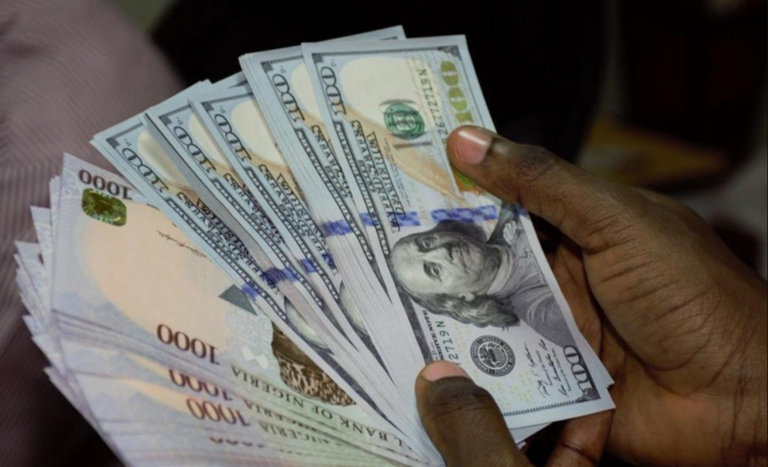

Comments 0
No comments yet
Be the first to share your thoughts.
Leave a Comment
Your email will not be published.