
Airtime never goes out of demand. Data never goes out of demand. Electricity never goes out of demand. Every single day, millions of Nigerians need to top up their phones, buy data bundles, pay electricity bills, and renew their cable TV subscriptions.
The businesses that sit between the networks and those millions of daily buyers collect a small commission on every single transaction.
That is the VTU business in its simplest form. And when you understand the volume those small commissions add up to, you understand why thousands of Nigerians are quietly earning N100,000 to N500,000 monthly from a business that requires no physical shop, no inventory, no delivery, and no specialized skill to operate.
Learning how to start a VTU business in Nigeria is not complicated. The technical barriers are low, the startup capital is accessible, and the demand is essentially permanent.
What separates the people who build profitable VTU operations from those who give up in the first month is understanding the margins, choosing the right platform, building the right customer base, and knowing how to scale beyond just selling to family and friends.
This guide covers all of it. Exactly how VTU works, the platforms to use, what to look for when choosing one, realistic profit margins, how to market your business, and how to grow from a small side income to a serious operation.
What VTU Means and How the Business Works
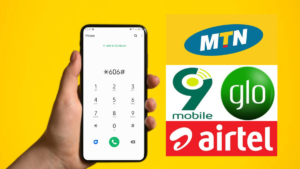
VTU stands for Virtual Top-Up. It is a system that allows individuals and businesses to sell airtime, data bundles, electricity tokens (IELEC), cable TV subscriptions, and other utility payments digitally without visiting any network office or physical store.
As a VTU business owner, you load a wallet on a VTU platform with your own money. When a customer wants to buy N1,000 airtime for MTN, you process that transaction through your platform. The customer receives their airtime instantly.
You charge them N1,000 or slightly above, while your platform debited your wallet at a discounted rate, say N970. That N30 difference is your profit on that single transaction.
Multiply that by hundreds of daily transactions and the income becomes significant.
The products sold through VTU platforms cover:
Airtime for all major Nigerian networks: MTN, Airtel, Glo, and 9mobile. Data bundles for the same networks. Electricity tokens for all IELEC providers: Ikeja Electric, Eko Electric, Abuja Electricity Distribution Company, Enugu Electricity, Ibadan DISCO, and others.
Cable TV subscriptions: DSTV, GOtv, and Startimes. Exam result checking pins: WAEC, NECO, JAMB, and NABTEB. Bulk SMS services. Insurance and financial products in some platforms.
Each of these product categories has a commission structure built in. As a VTU reseller, your profit comes from the difference between what the platform charges your wallet and what you charge your customers.
Types of VTU Business Models in Nigeria
Understanding the model you are entering helps you set realistic expectations and choose the right platform structure.
Direct reseller
You sign up on a VTU platform as a reseller, fund your wallet, and sell directly to end customers. This is the most common entry point. You are the last step between the platform and the buyer. Your margins are typically the lowest per transaction in the chain, but your customer relationships are the most direct.
Sub-dealer or aggregator
After gaining experience and building a transaction volume reputation, some platforms allow you to bring in other resellers under your account.
You supply airtime and data to smaller resellers at a rate between your buying price and the retail price. You earn a margin on every transaction your sub-resellers do. This layer is where VTU businesses start generating passive income from the activity of other sellers.
Platform owner or developer
The most advanced and capital-intensive model. You build or purchase your own VTU platform, integrate with network APIs directly, and onboard your own resellers and sub-dealers.
This requires technical knowledge or a developer, significant capital for API integration and server infrastructure, and the ability to manage a network of resellers. Platforms like this process millions of naira in transactions monthly.
Most people starting out begin as direct resellers and grow into the aggregator model over time. Building your own platform is a later-stage consideration once you fully understand the market.
Popular VTU Platforms in Nigeria: What to Look For
There are dozens of VTU platforms operating in Nigeria today. Choosing the right one protects your capital and determines your margins. Here is what to evaluate before committing.
Reliability and uptime
A VTU platform that goes offline frequently or processes transactions slowly will cost you customers. Your buyers need their airtime and data immediately.
Delays and failed transactions are the fastest way to lose the people who trust you with their money. Research a platform’s uptime reputation in Nigerian reseller communities before funding your wallet.
Profit margins
Different platforms offer different commission rates on the same products. MTN airtime commission, for example, varies across platforms.
Before choosing, compare what several platforms charge your wallet versus the retail price for the same product. Even a 1% difference in commission translates to significant income difference at volume.
Minimum wallet funding amount
Some platforms require large minimum funding amounts to get started. For beginners, platforms with low minimum funding (N1,000 to N5,000) allow you to test the service before committing larger amounts.
Withdrawal flexibility
You need to be able to withdraw your profit from the platform to your bank account easily and with reasonable fees. Platforms with complicated withdrawal processes or high withdrawal fees reduce your effective income.
API access for scaling
If you eventually want to build your own reseller network or integrate with your own website or bot, API access matters. Platforms that offer API documentation allow you to automate and scale.
Customer support quality
When a transaction fails or a customer does not receive what they paid for, you need the platform to resolve it quickly. Test the responsiveness of a platform’s support before making it your primary business tool.
Well-known VTU platforms Nigerian resellers commonly use include:
Vtpass, Clubkonnect, Vas2nets, Shago Payments, GsubzNG, Datastation, Peyflex and others. The market is active and new platforms emerge regularly.
Always verify the current standing and community reputation of any platform before funding your wallet. The N-List and various Nigerian VTU WhatsApp and Telegram communities are good places to check current platform reviews from active resellers.
Startup Costs for a VTU Business in Nigeria
This is one of the most capital-friendly businesses you can start in Nigeria. Here is a realistic breakdown.
Initial wallet funding
Your primary startup cost is funding your VTU wallet with enough capital to serve customers without constantly running out. Starting with N20,000 to N50,000 gives you enough float to handle a meaningful number of daily transactions.
If your average transaction is N500 and you process 20 transactions daily, you need at least N10,000 in daily float. Starting with N30,000 to N50,000 gives you comfortable operational buffer.
VTU platform subscription or registration fee
Some platforms charge a one-time registration or activation fee ranging from free to N5,000. Others are completely free to join. Factor this into your starting budget.
Smartphone
You need a smartphone capable of running your platform’s app or accessing their web interface smoothly. If you already have one, this cost is zero. If you need to acquire one, a functional Android smartphone suitable for this purpose costs N35,000 to N80,000.
Data subscription for operations
You need reliable internet to process transactions promptly. Budget N3,000 to N5,000 per month for operational data.
Marketing materials
Flyers for offline marketing, and potentially a small social media advertising budget for online reach. Budget N5,000 to N20,000 for initial marketing.
Total startup cost estimate:
| Item | Estimated Cost |
|---|---|
| Initial wallet funding | N30,000 – N100,000 |
| Platform registration | Free – N5,000 |
| Smartphone (if needed) | N0 – N80,000 |
| Marketing materials | N5,000 – N20,000 |
| Data subscription (first month) | N3,000 – N5,000 |
| Total | N38,000 – N210,000 |
A functional VTU business can genuinely be started for under N50,000 if you already have a smartphone. This is one of its biggest advantages over other business types.
VTU Business Profit Margins in Nigeria: The Real Numbers
Understanding your actual margins is essential before you start. VTU margins are small per transaction. The business model depends entirely on volume.
Typical margins by product:
Airtime: Most platforms offer 2% to 4% commission on airtime sales. On a N1,000 MTN airtime sale, you earn N20 to N40.
Data bundles: Margins on data are generally better than airtime. Commissions of 3% to 7% are common depending on the platform and bundle type. On a N1,000 data bundle, you earn N30 to N70.
Electricity tokens: IELEC commissions vary by distribution company and platform. Typical commissions range from N50 to N150 per transaction regardless of token value, or a percentage capped at a maximum.
Cable TV subscriptions: DSTV, GOtv, and Startimes subscriptions earn N100 to N500 per transaction depending on subscription type and platform commission structure.
Exam pins: WAEC, NECO, and JAMB result checking pins earn N100 to N300 per pin sold.
Daily and monthly income projection:
At 50 airtime and data transactions per day averaging N500 each with 4% average commission: Daily commission: 50 transactions x N500 x 4% = N1,000 per day. Monthly: N1,000 x 26 working days = N26,000 per month.
At 200 transactions per day (realistic with an established customer base): Daily commission: 200 x N500 x 4% = N4,000 per day. Monthly: N4,000 x 26 = N104,000 per month.
Adding electricity and cable TV transactions with higher per-transaction earnings pushes monthly income further. Operators with 500 or more daily transactions from a mix of retail customers and sub-resellers earn N200,000 to N500,000 monthly.
The volume is everything. Building your customer base and your sub-reseller network determines how quickly you reach meaningful monthly income.
How to Fund Your VTU Wallet and Manage Your Float
Funding methods:
Most Nigerian VTU platforms accept funding through direct bank transfer, USSD transfer, ATM deposit, and some accept card payments. Transfer to the platform’s provided account details and your wallet is credited after confirmation, usually within minutes.
Float management:
Your wallet balance is your working capital. If your wallet runs low and a customer needs airtime, you cannot serve them. Develop a discipline of refilling your wallet before it runs low rather than scrambling to fund it when a transaction is waiting.
Watch your daily transaction volume and refill at a level that ensures you can handle your typical daily demand without interruption. Most experienced VTU operators maintain a wallet balance that covers at least three to five days of their average daily transaction volume.
Separating business and personal funds:
Open a dedicated bank account or use a separate mobile money wallet exclusively for your VTU business. Mixing personal and business funds makes it impossible to track your actual profit and creates confusion about how much is available for operations versus personal use.
How to Market Your VTU Business and Build Customers
A good platform and funded wallet mean nothing without customers. Here is how to build the customer base that drives volume.
Start with your immediate network
Tell everyone you know that you sell airtime, data, electricity tokens, and cable TV. Family, friends, neighbours, and colleagues are your first customer base. They trust you, they need these services constantly, and they are more likely to call you than go to a shop if they know you offer the service at competitive rates.
WhatsApp Business is your primary tool
Set up WhatsApp Business with a complete profile listing all your VTU services and their pricing. Post on your status daily or every other day.
A simple status that says “MTN 1GB for N280, Airtel 2GB for N460, DSTV renewal available, call or message to order” is a complete advertisement that costs nothing and reaches everyone who has your number saved.
Broadcast messages to your contact list for special deals or reminders. “DSTV renewals due this week? Send me your smart card number and avoid the interruption.”
Build a reseller network
Recruit other people to sell under you. Offer them a slightly better rate than retail so they can make a small margin while you still make yours.
A barber, a phone accessories seller, a small provision shop owner, a student selling to hostel mates. Anyone with a regular customer flow who can add VTU to their existing offering is a potential sub-reseller.
Each sub-reseller who joins your network adds their transaction volume to yours without proportionally increasing your workload. This is how VTU businesses scale beyond the limits of a single person’s direct customer base.
Social media presence
A simple Instagram or Facebook page showing your services, your rates, and customer testimonials builds credibility beyond your immediate contacts. Post your rates regularly and update them when network prices change.
Physical presence options
Some VTU operators combine their digital business with a small physical presence. A table in a market, a corner of an existing shop, or a simple kiosk gives visibility to passersby who want to buy on the spot. The physical and digital channels feed each other.
Partner with businesses
Approach small shops, pharmacies, salons, and provision stores in your area and offer to set them up as your sub-resellers.
Provide them with access to your platform or set up a manual order process where they take orders and you process them. This turns every partner business into a customer acquisition channel.
Setting Up Automated VTU Services
As your business grows, manually processing every transaction becomes time-consuming. Automation is how serious VTU operators scale without proportionally scaling their working hours.
WhatsApp bots
Several Nigerian developers have built WhatsApp-based VTU bots that allow customers to place and complete orders automatically through a WhatsApp conversation flow, without you manually processing each one.
The customer sends their phone number and desired product, the bot processes the transaction through your platform’s API, and the customer receives their airtime or data automatically. You earn the commission on autopilot.
Telegram bots
Similar automation is available through Telegram. A Telegram channel where customers order through a bot is a clean, scalable customer service channel.
Website with self-service
Building a simple website with a VTU self-service interface allows customers to complete transactions themselves using their debit cards or wallet balances.
This removes you entirely from the order fulfillment process and allows you to earn from transactions happening 24 hours a day without your manual involvement.
Website development for a VTU platform costs between N50,000 and N300,000 depending on developer and features.
Some ready-made VTU website templates are available at lower cost. This investment makes sense once you have confirmed your volume justifies the upgrade.
Growing Your VTU Business Beyond Airtime and Data
The most profitable VTU operators in Nigeria are not just selling airtime. They have built full digital services businesses where VTU is the entry product and higher-margin services are stacked on top.
Bill payment aggregation
Beyond basic airtime and data, positioning yourself as a one-stop bill payment business, covering electricity, cable TV, water bills, and internet subscription payments, increases your average transaction value and gives customers more reasons to come back.
Bulk airtime and data for businesses
Corporate organizations, schools, NGOs, and government agencies occasionally need bulk airtime and data for staff communication or project purposes.
Offering bulk procurement services at competitive rates with proper invoicing is a higher-ticket income stream that single transactions with retail customers do not match.
Financial services add-ons
Some VTU platforms and aggregators now offer airtime-to-cash conversion, money transfer services, and micro-lending products.
Adding these to your service menu increases the value you provide and the revenue you earn per customer.
White-label platform building
Once you have deep experience with how VTU platforms work, the margins at different levels, and the operational requirements, building or acquiring a white-label VTU platform and onboarding your own network of resellers moves you from being a reseller to being a platform operator. This is the most capital-intensive but highest-earning level of the business.
Legal and Compliance Considerations
Business registration
Register your VTU business name with the Corporate Affairs Commission (CAC). A business name registration costs between N10,000 and N25,000 depending on whether you use a consultant or do it directly through the CAC online portal.
Registration is not strictly required to start but it is essential for opening a dedicated business bank account, receiving electronic transfers in a business name, and building long-term credibility.
Tax obligations
Income from VTU business operations is taxable personal or business income in Nigeria. As your earnings grow, ensure you are accounting for and filing appropriate taxes to avoid issues with tax authorities.
Platform terms compliance
Each VTU platform has its own terms of service. Read and understand them before registering. Some platforms prohibit certain practices like reselling at prices significantly above their stated retail rates or creating fake sub-reseller accounts to artificially inflate wallet credits.
Common Mistakes to Avoid in the VTU Business
Choosing a platform based solely on the highest commission
A platform offering slightly higher commissions than competitors but with poor uptime, slow support, and frequent failed transactions will cost you more in lost customers and refunds than the commission difference. Balance commission rates with reliability.
Underfunding your wallet
Running out of wallet balance during peak transaction periods (mornings, month-end, during major events) means lost sales and frustrated customers who go elsewhere and may not return. Always maintain adequate float.
No customer records
Track who your customers are, what they regularly buy, and when they last transacted. Even a simple WhatsApp label system or spreadsheet lets you identify customers who have gone quiet and re-engage them with a targeted message.
Selling only to direct contacts
Many beginners limit their market to family and close friends and wonder why their income plateaus quickly. Building a sub-reseller network and marketing beyond your immediate circle is what separates a small side income from a real business.
Ignoring failed transaction resolution
Customers whose transactions fail and are not resolved quickly become former customers. Have a clear process for handling failed transactions, escalating to platform support immediately, and communicating honestly with the affected customer while the issue is being resolved.
Frequently Asked Questions About Starting a VTU Business in Nigeria
How much can I realistically earn from a VTU business in Nigeria?
Beginners with a small customer base typically earn N20,000 to N60,000 per month. Operators with an established retail customer base and a small sub-reseller network commonly earn N100,000 to N300,000 monthly.
Larger operators with hundreds of daily transactions from multiple reseller layers earn N300,000 to N1,000,000 or more per month. Volume is the key variable.
Do I need a physical shop to run a VTU business?
No. The business is entirely digital and can be run from a smartphone anywhere with internet access. Many of Nigeria’s most profitable VTU operators have no physical shop and run everything through WhatsApp and a dedicated website.
Which VTU platform is best for beginners in Nigeria?
The best platform for beginners combines low minimum funding, reliable uptime, competitive margins, responsive support, and a straightforward user interface. Research current community reviews in Nigerian VTU groups before choosing because platform standings change.
Common names that appear in beginner recommendations include Vtpass, Clubkonnect, and GsubzNG among others, but always verify current performance before committing.
Is the VTU business saturated in Nigeria?
There are many VTU resellers in Nigeria, particularly at the basic airtime and data level. However, saturation at the retail level does not prevent new entrants from building profitable businesses.
The key is differentiating through better service reliability, a sub-reseller network, automation, and adding higher-margin services beyond basic airtime. The demand for these services grows every year as more Nigerians come online.
How do I handle a situation where a customer pays but does not receive their airtime or data?
Contact your platform’s support immediately with the transaction ID, the customer’s number, and the amount. Most reputable platforms resolve failed transactions within minutes to a few hours.
Refund the customer from your own wallet immediately if the platform takes time to resolve, and recover from the platform once the issue is fixed. Speed and transparency in handling these situations determines whether the customer stays with you or leaves.
Can I run a VTU business alongside my regular job?
Yes. Because transactions are processed digitally and take seconds, VTU is one of the most compatible side businesses with full-time employment. Once you have sub-resellers or automation in place, significant portions of the business run without your direct involvement, making it genuinely semi-passive income.
Final Thoughts
The VTU business in Nigeria is not glamorous and it will not make you a millionaire overnight. What it will do, if you approach it seriously, is generate a reliable, growing income stream from a demand that is permanent and expanding.
Nigerians will always need airtime. They will always need data. They will always need to pay their electricity bills and renew their cable subscriptions. Every one of those transactions is an opportunity for you to earn a commission, and the transactions happen millions of times daily across the country.
The people earning serious money from this business understand one thing above all else: volume is everything. A single transaction earns very little. A thousand daily transactions across a reseller network earns life-changing income. Build toward volume from day one. Every customer you acquire, every sub-reseller you bring on, every automation you implement moves you closer to that volume.
Start with what you have. Build your customer base deliberately. Reinvest your commissions into growing your wallet and your network. Stay reliable and responsive. The business builds itself over time if you put in the work in the beginning.
Disclaimer
This article is written for informational and educational purposes only. All income figures, profit margins, and platform references are based on general market observations and are not guarantees of individual results.
Platform commission rates, terms, and reliability change regularly and should be independently verified before making any business decisions. The author and publisher of this content accept no liability for any financial loss, platform-related loss, or other outcome arising from reliance on information provided in this article.
Always conduct thorough due diligence on any VTU platform before funding a wallet. Comply with all applicable Nigerian laws and regulations governing digital financial services and business operations.
What to Consider Before You Start
Choose an option based on your available money, skills, time, location, and ability to find customers or clients. Income examples are not guarantees. Start with a manageable test, track your actual costs and results, and adjust your plan based on evidence.
Practical First Steps
Write down the resources you already have, what you still need, and the first customer or client you want to reach. Separate one-time startup costs from recurring expenses. This makes it easier to see whether the idea is affordable and sustainable.
Risks and Warning Signs
Be careful with opportunities that require unexplained upfront payments, promise guaranteed earnings, or pressure you to act immediately. Verify platforms and important claims before providing personal information or sending money.
How to Measure Whether It Is Working
Track revenue, expenses, time spent, customer response, and repeat business. A simple record of these figures can help you decide whether to continue, change your approach, or stop before losses become larger.
Related MoneyX Guides
Continue with these related guides for practical information that can help you make a better-informed decision:
- How to Start Affiliate Marketing in Nigeria: A Practical Beginner's Guide
- 25 Profitable Business Ideas in Nigeria: Startup Costs, Demand and How to Choose
- 20 Businesses to Start With ₦500,000 in Nigeria: Costs, Profit Potential and Risks
- 18 Businesses to Start With ₦200,000 in Nigeria: Practical Startup Guide
What Matters Before You Act
Evaluate startup cost, customer demand, operating expenses, competition, location, and expected cash flow before starting. A business can generate sales and still lose money if costs are poorly controlled. Test demand on a small scale where possible and keep separate records for business income and expenses.





Comments 0
No comments yet
Be the first to share your thoughts.
Leave a Comment
Your email will not be published.