Nigeria feeds over 200 million people. And yet, the country still imports billions of dollars worth of food every single year.
That gap between what Nigeria produces and what it needs is not just a food security problem. For the investor paying attention, it is one of the biggest and most consistent wealth-creation opportunities on the African continent.
Agriculture investment opportunities in Nigeria span a wide range, from owning farmland and investing in commodity production to funding smallholder farmers through digital platforms and buying shares in listed agribusiness companies.
The entry points are more varied than most people realize, and the returns across different segments have outperformed many traditional investment options during periods when the stock market was struggling.
Nigeria’s agricultural sector contributes a significant share of the country’s GDP and employs more than a third of the working population. The federal government has made agriculture a priority sector for investment.
And with the naira facing long-term pressure, agricultural investments that produce commodities priced in global markets offer a genuine hedge against currency depreciation.
This guide breaks down every major agriculture investment opportunity available to Nigerians today.
What each one is, how it works, realistic return expectations, the risks you must understand, and exactly how to get started. Whether you have N50,000 or N50,000,000 to invest, there is an entry point here for you.
Why Agriculture Is One of Nigeria’s Most Compelling Investment Sectors
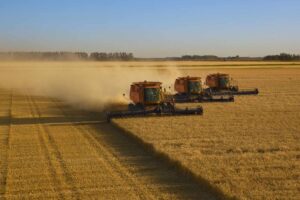
Before getting into specific opportunities, it helps to understand why agriculture deserves serious attention as an investment category in Nigeria.
Food demand only goes in one direction. Nigeria’s population is growing fast. More people means more food demand. That demand does not shrink during recessions or market corrections. People eat whether the economy is good or bad. This makes agriculture a fundamentally resilient sector.
Import substitution pressure creates opportunity. Nigeria spends enormous foreign exchange importing wheat, rice, sugar, fish, and dairy products that could be produced domestically.
Government policies have repeatedly targeted import substitution in these categories, creating incentives for domestic agricultural investors. When import restrictions go up, local producers benefit directly.
Commodity prices are often dollar-denominated. Agricultural commodities like cocoa, sesame, cashew, and soybeans trade on global markets in US dollars. Nigerian farmers and investors who produce these commodities earn dollar-equivalent returns even when selling locally. This is a natural hedge against naira weakness.
Underinvestment creates high returns. Most of Nigeria’s farmland is underutilized. Modern farming techniques, better inputs, and proper financing can dramatically improve yields on land that has been producing below potential for decades. The gap between current productivity and potential productivity is where investor returns come from.
Technology is unlocking access. A new generation of agritech platforms has made it possible for urban Nigerians with no farming knowledge to invest in agriculture through digital platforms, receiving returns without ever touching a hoe. The barriers to entry have fallen dramatically.
Major Agriculture Investment Opportunities in Nigeria
Farmland Ownership and Leasing
Owning agricultural land in Nigeria and either farming it directly or leasing it to farmers is one of the oldest and most straightforward forms of agricultural investment.
Farmland in Nigeria’s middle belt states, including Benue, Kogi, Kwara, Niger, and Plateau, is particularly productive for food crops. Land in the south is more suited to tree crops like palm oil, cocoa, and rubber. The north is strong for grains, groundnuts, sesame, and livestock.
How it works: You acquire land either through outright purchase, a long-term lease from communities, or a government land allocation. You can then farm it yourself with hired labor and a farm manager, or lease it out to commercial farmers at an agreed rent or profit-sharing arrangement.
Returns: Land appreciation in agricultural areas near infrastructure, markets, or urban expansion corridors has been significant. Rental income from leased farmland adds a recurring yield on top of capital appreciation.
What you need to know: Land tenure in Nigeria is governed by the Land Use Act, which vests all land ownership in state governments. You can obtain a Certificate of Occupancy (C of O) or a Right of Occupancy as your legal title.
Buying land without a clear title document is a significant legal risk. Always engage a qualified property lawyer and conduct thorough due diligence before any land transaction.
Best for: Investors with significant capital who want a long-term, tangible asset.
Crop Farming Investment
Directly investing in the cultivation of specific crops is one of the most hands-on agriculture investment opportunities in Nigeria. It offers some of the highest potential returns but also carries higher operational risk.
The most commercially attractive crops for Nigerian investors today include:
Cassava Nigeria is the world’s largest cassava producer. Cassava has strong domestic demand for food, starch, ethanol, and animal feed. Processing cassava into flour, starch, or chips adds significant value. Cassava farms can yield returns within eight to twelve months of planting.
Maize (Corn) Maize is one of the most demanded commodities in Nigeria, used for human consumption, animal feed, and industrial starch. It has two planting seasons in most parts of Nigeria, allowing for two harvests per year. With the right inputs and irrigation, maize farming is highly profitable.
Rice The federal government has made rice self-sufficiency a strategic goal. Demand is enormous. While rice farming requires more investment in inputs and irrigation than some other crops, the profit margins for well-run rice farms are substantial. States like Kebbi, Anambra, Ebonyi, and Cross River have been major rice production hubs.
Soybeans Demand for soybeans is growing rapidly in Nigeria, driven by the animal feed industry and food processing. Soybeans are relatively easy to grow in the middle belt and are exported as a commodity, giving them dollar-linked pricing.
Sesame Seeds Nigeria is one of the world’s largest sesame seed exporters. Sesame has excellent export demand, particularly from Asian markets. It grows well in northern Nigeria and has a short growing cycle of about three months.
Cocoa Nigeria was once the world’s second-largest cocoa producer and has been working to reclaim that position. Cocoa is a tree crop that takes three to five years to reach full production but then produces for decades. Returns are strongly linked to global chocolate demand and are dollar-denominated.
Cashew Nigeria produces some of the world’s best quality raw cashew nuts, with strong export demand from India, Vietnam, and Europe. Cashew trees take about three years to start producing commercially but have very low input requirements once established.
How to invest: You can either establish your own farm by acquiring land, hiring a farm manager, and purchasing inputs, or you can invest as a financial backer in an existing farming operation run by experienced farmers, with profits shared at harvest.
Returns: Crop farming returns vary widely by crop, season, location, and management quality. Well-run commercial farms targeting export crops like sesame and cashew have reported returns of 20% to 40% on invested capital per cycle. Staple crop farms targeting domestic markets can also be highly profitable when properly managed.
Risks: Weather risk, pest and disease outbreaks, post-harvest losses, price volatility at harvest time, and theft are the primary operational risks. Crop insurance, proper storage facilities, and market linkages before planting significantly reduce these risks.
Livestock Farming Investment
Animal husbandry represents another major category of agriculture investment opportunities in Nigeria with strong, consistent demand fundamentals.
Poultry Farming Poultry is one of the most accessible entry points into livestock farming in Nigeria. Nigerians consume enormous quantities of chicken and eggs. A well-run poultry operation with good biosecurity can generate returns within six to eight weeks for broilers (meat birds) and from twenty weeks for layers (egg-producing birds).
The input costs for poultry, particularly feed, can be significant. Feed accounts for 60% to 70% of poultry production costs, making the corn and soybean markets directly relevant to poultry investors. Many commercial poultry farmers now mill their own feed to reduce this cost.
Catfish Farming (Aquaculture) Nigeria has a massive fish consumption base but imports a substantial portion of the fish it eats. Catfish farming is one of the fastest-growing agricultural investment segments. Catfish can be raised in earthen ponds, concrete tanks, or plastic tanks. A grow-out cycle from fingerling to market size takes approximately five to six months.
Catfish farming can be done in relatively small spaces, including urban backyards, making it accessible to investors without large land holdings.
Pig Farming Pork consumption is significant in southern Nigeria and among certain communities. Pig farming has a good return profile because pigs are highly efficient at converting feed to meat. A typical pig farming cycle from piglet to market weight takes five to seven months.
Cattle and Goat Rearing Beef and goat meat are staples across all regions of Nigeria. Large-scale cattle ranching requires significant land and capital. Goat rearing is more accessible and can be done on a smaller scale. Both benefit from strong, consistent domestic demand.
Snail Farming (Heliculture) Snail farming is often overlooked but has gained serious attention among small-scale investors in Nigeria. Snails have very low feed costs, breed prolifically, and have strong market demand for both local consumption and export. They are one of the most capital-efficient agricultural investments for someone starting with limited funds.
Agritech Investment Platforms
This is the category that has democratized agriculture investment for urban Nigerians who want returns from agriculture without operating a farm themselves.
Several Nigerian technology companies have built platforms that connect investors with verified farmers. You fund a farming cycle through the platform, the company manages the farming operation or partners with experienced farmers, and at the end of the cycle you receive your principal plus a return.
How these platforms typically work:
- You sign up on the platform and complete a KYC process
- You browse available farm investment opportunities (maize, rice, poultry, fish, soybeans, etc.)
- You invest a minimum amount into a specific farm cycle
- The platform manages or supervises the farming
- At maturity (harvest), your returns are paid into your account
Returns: Depending on the platform and the specific crop cycle, returns have ranged from 10% to 25% per cycle, with cycles typically lasting three to twelve months depending on the commodity.
Examples of platforms in this space: Nigeria has seen several agritech investment platforms emerge, including Farmcrowdy (which pioneered this model in Nigeria), ThriveAgric, Agropartnerships, and others. It is important to verify the current operating status of any platform before investing. Some earlier platforms in this space encountered operational difficulties, which underlines the importance of due diligence.
What to check before investing through an agritech platform:
- Is the company registered with the Corporate Affairs Commission (CAC)?
- Is it regulated by or registered with the SEC Nigeria?
- Does it have verifiable physical farm operations you can inspect?
- What is its track record of paying investors?
- Does it carry crop or business insurance?
- Are the promised returns realistic based on actual commodity prices and farm economics?
Agritech investment is accessible and convenient, but it carries platform risk. Invest what you can afford to lose on any single platform and diversify across multiple operators.
Investing in Listed Agribusiness Companies on the NGX
For investors who prefer regulated, publicly traded investments, the Nigerian Exchange Group has several listed companies with significant agricultural operations.
This approach gives you agricultural exposure with the added protection of SEC regulation, public financial reporting, and the ability to buy and sell your investment easily on the secondary market.
Key agribusiness companies on the NGX include:
Okomu Oil Palm Company One of Nigeria’s largest and most profitable palm oil producers. Okomu owns extensive oil palm plantations in Edo State and operates its own palm oil mills. The company has a strong track record of profitability and dividend payments. As palm oil prices rise globally, Okomu’s revenues and stock price tend to respond positively.
Presco Plc Another major integrated palm oil company with plantations, processing mills, and refining operations. Like Okomu, Presco produces a commodity with both domestic and export demand. It is one of the most consistently profitable companies on the Nigerian stock exchange.
Dangote Agro Sacks / AFEX Commodities Exchange While Dangote’s primary agribusiness presence is through cement and related materials, Nigeria’s commodity exchange landscape (including AFEX) has created new routes for investment exposure to agricultural commodity trading.
Flour Mills of Nigeria A major integrated agribusiness and food processing company. Flour Mills is involved in flour milling, pasta production, feed milling, and agriculture. It is one of the largest food companies in sub-Saharan Africa by revenue.
Nascon Allied Industries Involved in salt processing and seasoning production, with agricultural commodity inputs. Part of the Dangote group.
UAC of Nigeria (UACN) Has agribusiness exposure through its animal feeds and livestock businesses.
Buying shares in these companies through a registered stockbroker gives you agricultural exposure with the benefits of public market liquidity, regulatory oversight, and transparent financial reporting.
Best for: Investors who want agricultural exposure without operational involvement and who value regulatory protection and liquidity.
Commodity Trading and Storage
This is a more sophisticated agricultural investment approach that involves buying agricultural commodities at harvest when prices are low, storing them properly, and selling when prices rise during the off-season.
In Nigeria, there is typically a significant price difference between harvest season prices and off-season prices for commodities like maize, sorghum, groundnuts, and soybeans. Investors who can buy, store safely, and sell later exploit this price cycle for profit.
AFEX Commodities Exchange The AFEX Commodities Exchange has built a structured platform for commodity trading and storage in Nigeria.
They operate certified warehouses where stored commodities receive warehouse receipts that can be traded or used as collateral for financing. This has brought more formality and reduced fraud risk to commodity trading that was previously done entirely informally.
Investing through platforms like AFEX allows participation in commodity price cycles with better transparency and security than traditional informal commodity trading.
Risks: Storage costs, commodity price movements that do not follow expected seasonal patterns, quality deterioration, and warehouse risks. Proper storage infrastructure and commodity insurance are essential.
Agricultural Real Estate and Cold Chain Infrastructure
As Nigeria’s agricultural sector modernizes, there is growing investment opportunity in agricultural support infrastructure including storage facilities, cold chain logistics, and processing plants.
Investing in or developing grain silos, cold storage facilities, food processing plants, and irrigation infrastructure serves the agricultural sector while generating returns from fees and commodity value addition.
This is a higher-capital, longer-gestation investment category but one that addresses a genuine structural gap in Nigeria’s food system.
Post-harvest losses in Nigeria are estimated to be enormous, affecting a significant percentage of some perishable commodities annually. Cold chain and storage infrastructure investment directly attacks this problem while generating returns.
Agricultural Co-operatives and Farmer Groups
Joining or forming an agricultural cooperative is another route for Nigerians with limited capital to pool resources and invest in farming operations collectively.
Cooperatives spread operational costs, share risk, and create collective bargaining power when selling produce. Several formalized cooperative investment structures have emerged in Nigeria, some with connections to microfinance institutions and development finance programs.
Returns from cooperative investments depend entirely on the quality of management and governance of the cooperative. This model works best in communities with existing trust relationships and strong governance structures.
Government Incentives for Agricultural Investors in Nigeria
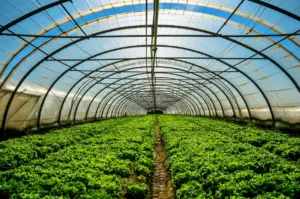
The Nigerian federal government has consistently positioned agriculture as a priority sector and has introduced several programs and incentives for investors.
CBN Anchor Borrowers Programme Connects smallholder farmers with financing from deposit money banks, with the CBN providing a guarantee. For investors involved in agricultural value chains, understanding this program helps you structure investments around it.
Agricultural Credit Guarantee Scheme (ACGS) The Central Bank of Nigeria provides guarantees on agricultural loans through commercial banks. Investors who structure their operations to access this scheme benefit from lower financing costs.
Bank of Agriculture (BOA) Provides specialized agricultural financing at concessional rates. Available to individuals, cooperatives, and companies involved in agricultural production and processing.
Tax incentives Agricultural businesses in Nigeria benefit from several tax incentives including pioneer status exemptions, capital allowances on agricultural equipment, and import duty exemptions on certain agricultural inputs and machinery. A qualified tax advisor can help structure your agricultural investment to maximize these benefits.
NIRSAL (Nigeria Incentive-Based Risk Sharing System for Agricultural Lending) NIRSAL de-risks agricultural lending by providing partial credit guarantees to banks that lend to agricultural businesses. For serious agricultural investors seeking bank financing, NIRSAL is an important facility to understand.
Risks in Nigerian Agricultural Investment
No honest guide leaves out the risks. Here is a clear-eyed view of what can go wrong.
Weather and climate risk Erratic rainfall, flooding, drought, and desertification (particularly in northern Nigeria) can destroy crops and devastate livestock. Investing in irrigation infrastructure where possible and buying crop insurance from the Nigeria Agricultural Insurance Corporation (NAIC) reduces but does not eliminate this risk.
Security challenges Farmer-herder conflicts, banditry, and insecurity in parts of the middle belt and north have affected agricultural production and investor confidence in certain areas. Geographic diversification and thorough on-the-ground due diligence are essential.
Post-harvest losses Nigeria loses a significant portion of agricultural produce annually due to poor storage, inadequate cold chain, and logistics failures. Investing in proper storage infrastructure and market linkages before harvest reduces this risk substantially.
Price volatility Commodity prices can fall sharply at harvest when supply is high. Having firm offtaker agreements, meaning buyers committed before planting, is the professional approach to managing this risk.
Platform and counterparty risk For agritech platform investors, the biggest risk is that the platform fails operationally or financially. Always verify the track record and regulatory status of any platform before committing funds.
Land and title disputes Land conflicts are a recurring feature of Nigerian agricultural investment. Never invest in farmland without a properly documented, verified title and a qualified lawyer’s review.
Frequently Asked Questions About Agriculture Investment in Nigeria
How much do I need to start investing in agriculture in Nigeria?
It depends on the route. Agritech platforms allow entry from as low as N10,000 to N50,000. Buying shares of NGX-listed agribusiness companies can start with whatever a single share costs through a stockbroker.
Direct farmland and crop farming requires significantly more capital, typically in the hundreds of thousands to millions of naira depending on scale.
Are agritech investment platforms safe in Nigeria?
Some are well-run and credible. Others have failed investors. The key is due diligence. Verify CAC registration, check for SEC Nigeria registration, review their physical farm operations if possible, and look for verified investor testimonials. Diversify across platforms rather than committing everything to one.
What is the most profitable agricultural investment in Nigeria?
There is no single answer as profitability depends on management quality, timing, and market conditions. Export crops like sesame, cashew, and cocoa have strong dollar-linked returns. Poultry and catfish offer faster cycles with consistent domestic demand.
Palm oil through listed companies like Okomu and Presco offers regulated, dividend-paying exposure. The best investment is the one you understand well and can manage or monitor effectively.
Can I invest in Nigerian agriculture from abroad?
Yes. NGX-listed agribusiness shares can be bought through brokers that support diaspora accounts. Several agritech platforms also accept diaspora investors. For direct farmland investments, many diaspora Nigerians partner with trusted local managers who oversee operations on the ground.
Does the Nigerian government support agricultural investors?
Yes, through programs like the Anchor Borrowers Programme, NIRSAL, the Bank of Agriculture, and various state-level agricultural development programs. Tax incentives for agricultural businesses also exist. The level of access to these programs depends on your investment structure and scale.
Is crop insurance available in Nigeria?
Yes. The Nigeria Agricultural Insurance Corporation (NAIC) offers crop insurance, livestock insurance, and other agricultural risk covers. Taking insurance is strongly advisable for serious agricultural investors, particularly for large-scale crop farming.
How do I find credible farm managers in Nigeria?
Agriculture extension workers, graduates of agricultural universities, members of the Agricultural Society of Nigeria, and referrals from established agribusiness networks are all good starting points. State Agricultural Development Programs (ADPs) also maintain databases of registered farmers and extension agents in each state.
Final Thoughts
Agriculture investment opportunities in Nigeria are not just real, they are arguably among the most fundamentally sound investment opportunities available to Nigerians today. The demand drivers are structural and permanent.
The supply gap is wide. The government incentives are meaningful. And the entry points now range from N10,000 on a digital platform to hundreds of millions in commercial farmland.
The investors who will do best in Nigerian agriculture are not the ones looking for the fastest returns. They are the ones who take the time to understand the specific commodity or segment they are entering, do thorough due diligence on every counterparty, manage their risk through diversification and insurance, and think in terms of multiple growing seasons rather than a single harvest.
Nigeria’s food needs are not going away. Every meal eaten by every one of Nigeria’s growing population represents demand for what this sector produces. That is a long-term investment thesis with more stability behind it than almost anything else on the table.
Start where your capital allows. Learn the sector. Grow your exposure as your knowledge and confidence grow. Agriculture in Nigeria has made real, lasting wealth for serious investors. There is no reason it cannot do the same for you.
Disclaimer: This article is written for informational and educational purposes only. It does not constitute financial, investment, legal, or agricultural advice. All investments carry risk, including the possible loss of capital. Agricultural investments are subject to operational, weather, market, and regulatory risks. Returns mentioned in this article are illustrative and not guaranteed. Always conduct thorough independent due diligence and consult qualified financial, legal, and agricultural professionals before making any investment decision. The author and publisher of this content accept no liability for any financial loss arising from reliance on information contained in this article.
Before You Start
Consider your starting resources, costs, skills, time, and the risks involved before taking action. Do not treat projected income or returns as guaranteed. Where a platform, financial product, regulation, fee, or eligibility requirement is involved, verify the current details with the relevant official source.
A Practical Starting Plan
Begin with a clear first step rather than trying to do everything at once. Set a realistic budget, identify what success will look like, and keep a simple record of money spent, money received, and results. Use the information you collect to decide what to improve next.
How to Avoid Costly Mistakes
Be cautious of guaranteed-income claims, hidden charges, pressure to pay upfront, and advice that ignores risk. Protect your account credentials and personal information, and use official channels when dealing with financial services or platforms.
Key Takeaways
The most useful way to apply this guide is to adapt the steps to your own situation, verify important details, start within your means, and measure the results before committing more resources.
Related MoneyX Guides
Continue with these related guides for practical information that can help you make a better-informed decision:
- How to Start Affiliate Marketing in Nigeria: A Practical Beginner's Guide
- 25 Profitable Business Ideas in Nigeria: Startup Costs, Demand and How to Choose
- 20 Businesses to Start With ₦500,000 in Nigeria: Costs, Profit Potential and Risks
- 18 Businesses to Start With ₦200,000 in Nigeria: Practical Startup Guide
