
Building a credit score in Nigeria used to feel irrelevant to most people. Loans came from family, friends, or cooperative societies where your reputation in the community mattered more than a number in a database.
Banks gave loans based on relationships, collateral, and social standing. The idea of a three-digit score sitting in a computer somewhere, quietly determining your financial future, felt very American and very far away.
That era is over.
Nigeria now has three CBN-licensed credit bureaus: CRC Credit Bureau, CreditRegistry, and FirstCentral Credit Bureau. Over 2,000 financial institutions report borrower behaviour to these bureaus.
Every loan you take, every repayment you make or miss, every default large or small is being tracked, compiled, and reported. Your credit score already exists whether you know about it or not. And it is already affecting your financial life in ways you may not have connected to it.
This guide explains what your credit score in Nigeria is, how it is calculated, what damages it, what builds it, how to check it, and the practical steps to improve it starting from wherever you are right now.
What Is a Credit Score in Nigeria?

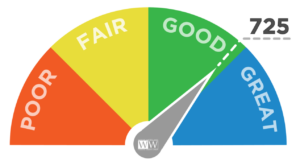
A credit score is a three-digit number between 300 and 850 that summarises your creditworthiness based on your financial history. The higher the number, the more financially trustworthy you appear to lenders.
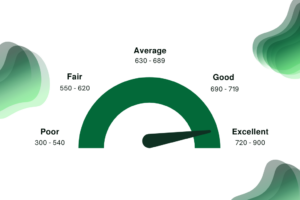
All three Nigerian credit bureaus use a scoring model that follows the FICO structure, ranging from 300 (very poor) to 850 (excellent). Here is how the ranges broadly translate:
- 300 to 499: Very poor. Loan applications likely to be rejected outright.
- 500 to 599: Poor. May access credit but at very high interest rates.
- 600 to 699: Fair. Moderate access to credit. Not the best terms.
- 700 to 749: Good. Better loan approvals and interest rates.
- 750 to 850: Excellent. Best available terms, faster approvals, and access to higher credit limits.
The score is calculated by the credit bureaus based on data submitted by financial institutions, not by you. Everything your bank, loan app, microfinance bank, or digital lender reports about your repayment behaviour goes into the calculation.
Why Your Credit Score Matters More Than Ever in Nigeria
Many Nigerians still believe that as long as they are not planning to take a major bank loan, their credit score is irrelevant. This thinking is increasingly outdated. Here is why your credit score matters across more areas of your financial life than most people realise.
Bank loan access and interest rates: Your credit score determines whether a bank approves your personal loan application and what interest rate you pay.
Someone with a score of 750 might access the same loan at 10% per annum that someone with a score of 550 gets at 22% per annum. That difference costs real money over a loan’s lifetime.
Digital lending apps: Loan apps like Carbon, Branch, FairMoney, and Renmoney use credit bureau data to determine your eligibility, loan limit, and interest rate.
Loyal users with strong repayment history on these platforms consistently see their limits increase and their interest rates decrease.
Mortgages: If you ever want to buy property through a mortgage in Nigeria, the Federal Mortgage Bank of Nigeria and commercial bank mortgage products all involve credit bureau checks. A poor score can block access entirely.
Employment: Some financial sector employers and security-conscious companies now run credit checks as part of their hiring process. A severely damaged credit file can affect job applications.
Landlord screening: In some Lagos and Abuja rental markets, landlords are beginning to request credit checks for prospective tenants, particularly in formal, professionally managed estates.
The GSI consequence: Beyond your credit score, the Global Standing Instruction (GSI) framework introduced by the CBN means that if you default on a bank loan, the lender can automatically debit any account linked to your BVN, including savings, current, investment, and joint accounts across all Nigerian banks.
The GSI is continuous and unrestricted until the debt is fully repaid. This means defaulting on a bank loan does not just hurt your credit score. It can literally drain your accounts at any bank while you sleep.
Who Are the Three Credit Bureaus in Nigeria?
Understanding who holds your credit data is important before you can manage it.
CRC Credit Bureau is one of the oldest and largest credit bureaus in Nigeria with over 15 years of operation. Their scoring system is used by thousands of financial institutions.
You can access your free annual credit report via their website at crccreditbureau.com or by dialling the USSD code 5658# (MTN subscribers). CRC scores range from 300 to 850.
CreditRegistry claims to be Nigeria’s largest credit bureau by database size. Founded in 2003, it is widely used by major banks. You can generate a free credit report directly on their website at creditregistry.ng.
Premium detailed reports are available for 250 naira. CreditRegistry also provides their proprietary SMARTScore alongside the standard report.
FirstCentral Credit Bureau is Nigeria’s only fully independent credit bureau (no financial institution owns equity in it). Founded as XDS Solutions in 2005 and licensed by the CBN in 2009, it now has over 20 years of history.
You can check your score free through their website at firstcentralcreditbureau.com or via their mobile app.
Each bureau may show a slightly different score because different lenders report to different bureaus, and each may weigh data slightly differently.
The important thing is that your repayment behaviour reported to any of them feeds into the overall picture lenders see when they check your creditworthiness.
Your legal right: Every Nigerian is entitled to one free credit report per year from each licensed credit bureau. You do not need to pay to access your annual report. Use this right. Check your report every year.
What Goes Into Your Credit Score
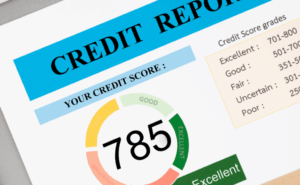
Your credit score is not one number calculated from a single formula. It is an assessment of several factors in your financial history. While the exact weights vary slightly by bureau, the general factors are:
Payment history (the most important factor): Have you repaid your loans on time? Late payments, missed payments, and defaults are the most damaging entries on your credit report. A single missed payment on a loan can drop your score significantly.
Consistent on-time payments, even on small loans, build your score steadily over time.
Outstanding debt levels: How much do you currently owe relative to your credit limits? Using a high proportion of available credit consistently suggests financial strain. Keeping balances low relative to limits helps your score.
Length of credit history: How long have you been using credit products? A longer track record of responsible borrowing generally improves your score. This is one reason starting to use credit early (even small amounts) benefits your long-term profile.
Types of credit used: Having a mix of credit types (bank loans, fintech loans, mortgage, credit card) can improve your score because it shows you can manage different kinds of debt responsibly. However, chasing multiple credit types just for this reason is not advisable.
Recent credit applications: Every time you apply for new credit and the lender checks your credit report (a “hard inquiry”), it can slightly reduce your score temporarily. Multiple hard inquiries in a short period suggest financial desperation to potential lenders.
What Damages Your Credit Score in Nigeria
Understanding what hurts your score is just as important as knowing what builds it.
Loan defaults: The most damaging single event. Missing repayments entirely is reported to credit bureaus and stays on your record. For bank loans, this also triggers the GSI recovery mechanism.
Late payments: Even paying late (not just defaulting) is reported and damages your score. Payment history is the biggest single factor in your score calculation.
Thinking you can hide from a debt by changing apps or numbers: Your BVN is your financial fingerprint. It connects all your accounts, all your loan history, and all your repayment behaviour across every regulated financial institution in Nigeria.
Defaulting on a loan from FairMoney and then applying to Carbon does not work. Carbon checks your BVN against the credit bureaus and sees the FairMoney default. You cannot hide from a bad credit history by switching platforms.
Multiple simultaneous loan applications: Applying to several lenders at the same time generates multiple hard inquiries on your report, which signals financial desperation and can reduce your score.
Unpaid or unresolved accounts sent to collections: When a defaulted loan is handed over to a debt recovery agency, it creates an additional negative entry on your credit file.
Being a guarantor for a defaulter: If you guarantee someone else’s loan and they default, the default can appear on your credit report. Be very careful about becoming a guarantor for anyone.
Practical Steps to Build Your Credit Score in Nigeria
Step 1: Know Where You Stand Right Now
You cannot improve what you have not measured. Request your free annual credit report from at least one of the three credit bureaus. Go directly to crccreditbureau.com, creditregistry.ng, or firstcentralcreditbureau.com.
You will need your BVN and a BVN-linked phone number. Complete the identity verification and access your report.
Read through it carefully. Look for:
- Are there any loan accounts listed that you do not recognise? This could indicate fraud using your identity.
- Are there any repaid loans still showing as outstanding? This is an error that you can dispute.
- What does your payment history look like? Are there late or missed payments recorded?
- What is your current score range?
Errors are more common than people expect. Loans you repaid years ago still showing as active, amounts recorded incorrectly, or accounts that do not belong to you can all drag your score down.
Every Nigerian has the right to dispute inaccurate information with the relevant credit bureau in writing. The bureau is required to investigate and correct genuine errors.
Step 2: Resolve Any Outstanding Debts Before Building New Credit
If you have defaulted loans sitting unpaid, your priority before doing anything else is to resolve them. An unpaid default keeps scoring damage active indefinitely. A repaid default still shows on your report but the impact reduces over time and eventually the record can be cleaned up.
Contact the lender directly and negotiate repayment. Many lenders will work out a settlement plan, especially for older debts. Once repaid, get written confirmation and request that the bureau update your record.
After clearing debts, contact the credit bureau with your proof of repayment and request that the negative entry be updated or removed where appropriate.
Step 3: Use Credit Responsibly and Consistently
The fastest and most reliable way to build a strong credit score in Nigeria is straightforward: borrow small amounts from legitimate, credit bureau-reporting lenders and repay them perfectly and on time, every single time.
Here is the specific approach:
Use a loan app that reports to credit bureaus: Branch, Carbon, and FairMoney explicitly report borrower behaviour to Nigerian credit bureaus. Taking a small loan from one of these platforms (even 5,000 to 20,000 naira), repaying it exactly on schedule, and doing this consistently over 6 to 12 months creates a visible, positive payment history in your credit file.
Start small and build up: Do not take large loans to build credit. Start with amounts you can repay comfortably without any financial strain. The goal is a perfect repayment record, not a large loan balance. As your on-time repayment history grows, your credit limit offers from these platforms will increase organically.
Set repayment reminders before the due date: The number one reason credit scores decline in Nigeria is late payments on digital loans. Set a calendar reminder three days before every loan due date. Better still, automate the repayment from your salary-linked account if the platform allows it.
Step 4: Maintain Active, Long-Standing Bank Relationships
Your relationship with your primary bank contributes to your credit profile. Maintaining a consistent, active salary account with a specific bank builds a data trail showing income, transaction patterns, and financial stability.
Banks use this internal data alongside credit bureau data when making lending decisions. A customer whose account has received regular salary deposits for five years and who has never had a returned cheque or account-related issue presents a lower risk than a new customer with no history.
Keep your BVN-linked accounts active. Do not allow accounts to go dormant or get closed due to inactivity. The length of your account history contributes to your overall credit profile.
Step 5: Apply for a Credit Card or Bank Overdraft Facility
Credit cards are not widely used in Nigeria compared to other markets, but they exist and they are one of the most effective tools for building credit history internationally and increasingly in Nigeria.
Several Nigerian banks now offer credit cards to qualifying customers: GTBank, Zenith, UBA, Stanbic IBTC, and First Bank all have credit card products. Getting approved typically requires a strong existing banking relationship and stable income.
When you receive a credit card, the key rules are simple: spend below 30% of your credit limit, pay the full balance every month before the due date, and never miss a payment.
A bank overdraft facility works similarly. Having an approved overdraft and using it responsibly (borrowing within the limit and repaying consistently) builds your credit file with your bank and, when reported to credit bureaus, strengthens your score.
Step 6: Avoid Unnecessary Credit Applications
Every time you apply for credit and the lender conducts a hard inquiry on your credit report, your score drops slightly. Multiple applications in a short window signal financial desperation and can accelerate the drop.
The practical rule: only apply for credit when you genuinely need it and have a reasonable expectation of approval based on your current financial profile. Do not simultaneously apply to five different loan apps to see which gives you the best offer.
Choose the most appropriate one, apply once, and if approved, accept or decline based on the terms.
Step 7: Build a Positive Financial Footprint Beyond Loans
Credit bureaus in Nigeria are gradually expanding the data they use beyond just loan repayment history. Utility payments, subscription services, and other regular financial obligations are increasingly being integrated into credit profiles as the system matures.
Beyond your loan repayment record, the broader financial habits that create a positive footprint include: maintaining a regular income flowing into a verified BVN-linked account, using formal financial services rather than cash-only transactions, and having a clean record with no EFCC flagging or NFIU reports.
How Long Does It Take to Build a Good Credit Score?
There is no shortcut to a genuinely good credit score. Credit bureaus measure behaviour over time, and a handful of on-time payments does not immediately erase a history of defaults.
For someone with no credit history at all (a thin file): 6 to 12 months of consistent responsible borrowing and repayment can establish a measurable positive score.
For someone with a poor credit history: 12 to 24 months of disciplined repayment behaviour, after resolving outstanding defaults, can move your score from poor to fair. Moving from fair to good takes additional time and continued consistency.
For someone with a good score trying to reach excellent: Maintaining perfect repayment behaviour, keeping balances low, and avoiding unnecessary credit applications for 12 to 24 months consistently will move you into the excellent range.
The key variable is not time itself, it is consistent, perfect payment behaviour during that time. One serious default can undo months of positive history.
Checking Your Credit Score: A Quick Practical Guide
Free annual reports: You are entitled to one free report per year from each of the three credit bureaus. Use all three because different lenders report to different bureaus and your file may vary.
CRC Credit Bureau: Visit crccreditbureau.com, create a free account using your BVN, and request your free annual report. Use code “FREEREPORT” at checkout for your free annual entitlement. You can also dial 5658# on MTN for an instant check.
CreditRegistry: Visit creditregistry.ng, create a free account, and generate your free credit report. Premium reports with additional detail cost 250 naira.
FirstCentral Credit Bureau: Visit firstcentralcreditbureau.com or download their mobile app. One free credit score check is available.
Third-party comparison platforms: nairaCompare.ng also provides a free credit score check tool that pulls from credit bureau data and explains the results in plain language.
Check your credit report at least once per year, ideally before any major borrowing event (applying for a mortgage, car loan, or significant personal loan). Early detection of errors gives you time to dispute and resolve them before they affect a loan application you care about.
Disputing Errors on Your Credit Report
Errors on Nigerian credit reports are not rare. Common errors include loans that were repaid but still showing as active, incorrect outstanding balances, accounts that belong to someone else with a similar name, and defaults recorded on accounts you never opened.
Every Nigerian has the legal right to dispute inaccurate information on their credit report. The process:
Step 1: Identify the specific error. Note the account name, amount, and the incorrect information.
Step 2: Gather your evidence. Bank statements, repayment receipts, loan closure confirmation letters, and any communication confirming the account was closed.
Step 3: Submit a formal written dispute to the credit bureau that holds the error. Use their official dispute resolution channels on their website. Include your BVN, full name, the specific error, and your evidence.
Step 4: The credit bureau is required to investigate your dispute and respond within a reasonable timeframe. If the error is confirmed, the bureau updates your record. If the original lender disputes your claim, you may need to escalate with additional documentation.
Step 5: If the bureau does not resolve your dispute satisfactorily, escalate to the CBN Consumer Protection Department.
The BVN Lesson: There Is No Reset Button
One final point that is worth stating clearly because it continues to trip Nigerians up.
Your BVN (Bank Verification Number) is permanent and unique to you. It is the identifier that links all your financial accounts, all your loan applications, and all your repayment history across every regulated financial institution in Nigeria.
No matter how many phone numbers you change, how many new email addresses you create, or which new fintech platforms you discover, your BVN follows you everywhere.
Defaulting on a FairMoney loan and then trying to borrow fresh from Carbon using a different phone number does not work. Carbon checks your BVN against the credit bureaus and sees the FairMoney default.
Defaulting on a bank loan and opening a new account at a different bank does not shield your salary from GSI recovery. The original lender can still trigger the GSI through the NIBSS system and debit your new account.
The only path forward from a bad credit history is to face it, resolve the outstanding debts, and rebuild your record through consistent responsible behaviour over time. There is no reset button. There is no new start with a different BVN. There is only repair.
Final Thoughts
Building a good credit score in Nigeria is not complicated. It is consistently doing a small number of things well: borrowing only from regulated, bureau-reporting institutions, repaying every obligation on time without exception, keeping your debt levels manageable, checking your credit report annually and disputing errors promptly, and giving the process enough time to work.
The reward is real and growing. Access to better loan rates, higher credit limits, mortgage eligibility, and increasingly, employment and tenancy screening all flow from a strong credit profile.
As Nigeria’s financial system continues to mature, the weight of your credit score in daily financial decisions will only increase.
Start now. Check your report today. Resolve any outstanding debts. Make your next loan repayment on time. And then do it again.
Disclaimer: Credit score ranges and bureau processes are subject to change. Always verify current procedures directly with each credit bureau. This article is for educational purposes only and does not constitute financial or legal advice.
How to Make a Better Decision
Before choosing an option or taking action, compare the costs, requirements, risks, and likely benefits for your own situation. Do not rely on a headline claim alone. Check the provider’s current terms and official information before committing money or personal information.
Common Mistakes to Avoid
Avoid rushing into a financial decision because of pressure, promises of guaranteed results, or incomplete information. Keep records of important transactions and never disclose passwords, PINs, one-time passwords, or other security credentials to another person.
What to Do Next
Use the information in this guide as a starting point, verify important details with authoritative sources, and take the steps that match your circumstances. If a problem involves an account, payment, investment, or financial service, use the provider’s official support channel when you need help.
Common Problems and How to Handle Them
If results are poor, check the underlying cause rather than simply spending more money. Review your assumptions, records, pricing, eligibility, or process. Keep evidence of transactions and use official support where an account or financial service is involved.
How to Get Better Results
Track what you spend, what you receive, and what changes after each step. Use those results to improve your approach before committing additional money or time.
Related MoneyX Guides
Continue with these related guides for practical information that can help you make a better-informed decision:



Comments 0
No comments yet
Be the first to share your thoughts.
Leave a Comment
Your email will not be published.